


It's safe to say that most of us have encountered disposable cameras in our daily lives. With their lightweight, somewhat cheap-feeling plastic casings, some people use them to document everyday life, while others want to experience the sensation of shooting film.
Even if half of the photos turn out underexposed and you can't quite tell what you were shooting, they possess an approachable, rough-hewn charm that makes them popular with young people.
So, what exactly is fueling the disposable camera craze? Is this trend good or bad for the overall film photography ecosystem? Let's explore these questions together in this article.
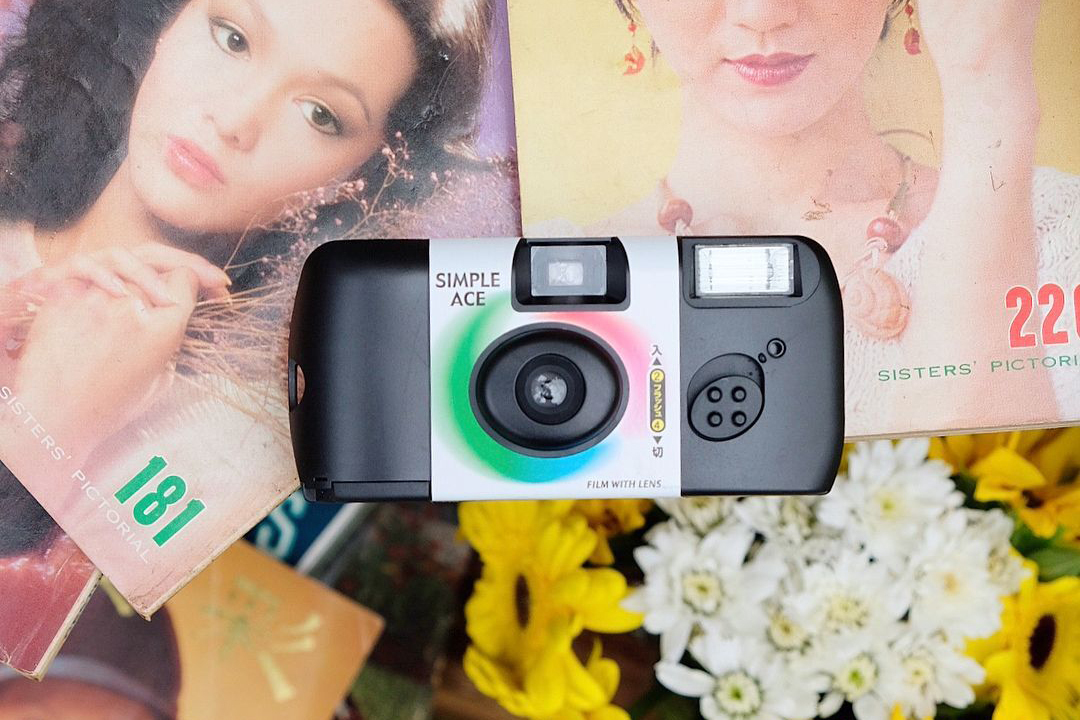
The first truly disposable film camera, the QuickSnap, was produced by Fujifilm in 1986. It came pre-loaded with a fixed number of exposures; once you finished the roll, you simply sent the entire camera back to Fujifilm, and they would develop and print your photos.
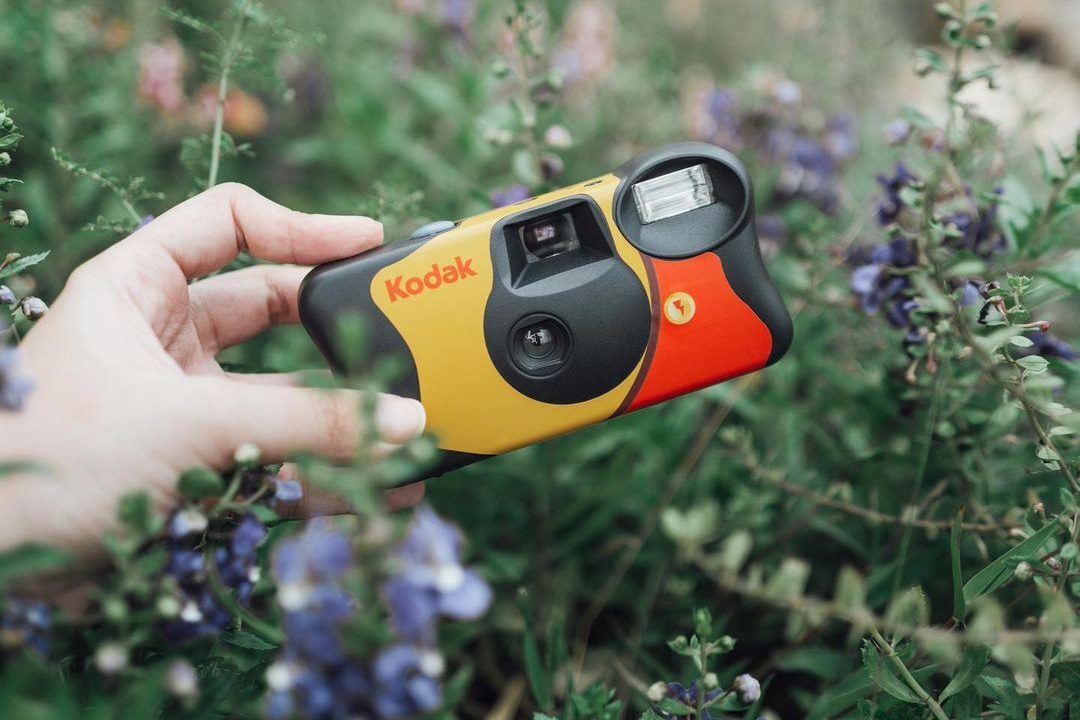
The ease of use of these cameras quickly made them a favorite among travelers and photography novices. Subsequently, other film manufacturers such as Kodak, Ilford, and others also entered the disposable camera market, making them increasingly popular.

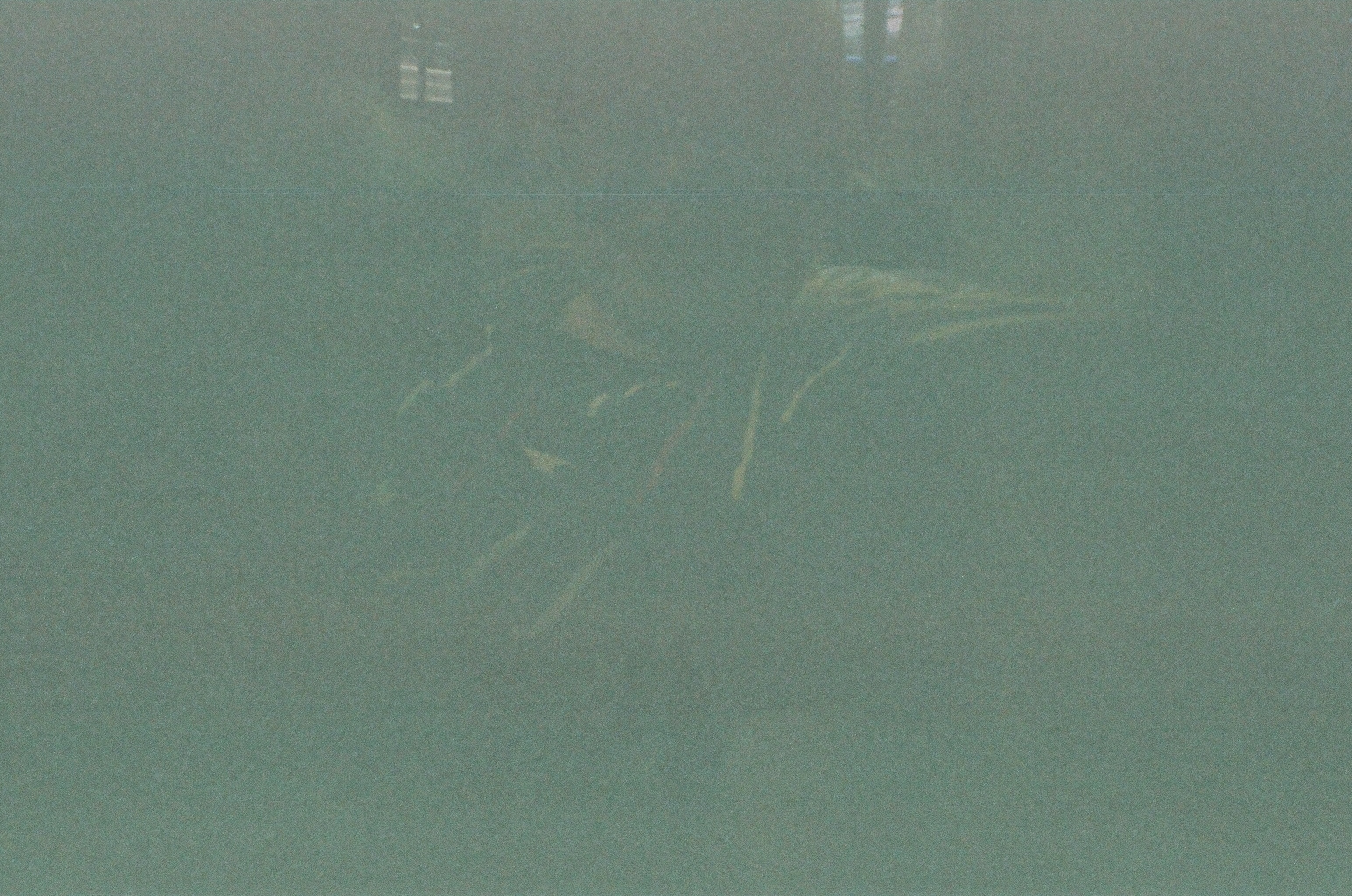
However, these little darlings have consistently faced criticism from many photographers. The most common complaint, of course, is the compromise in photographic quality made to reduce the selling price.
Disposable film cameras essentially offer no user control: the shutter speed is generally fixed at around 1/120 second, and the plastic lenses typically have an aperture of only F9 or smaller, not to mention any optical quality to speak of.
It is precisely the significant limitations of the camera itself, coupled with the fact that most users are not people who regularly engage in photography, that leads to nine out of ten photos being unwatchable.
Imagine if the same roll of film were used in a better camera; such waste would certainly not occur. Given this performance, it's no wonder disposable cameras are lambasted as "plastic trash."
However, the reason these "pieces of trash" have maintained their popularity for decades is, of course, because they have their advantages.
1. Lightweight and Portable
As the saying goes, "The best camera is the one you have with you."
Indeed, while the photo quality of disposable cameras is limited, their lightweight design is a major selling point.
Most of the time, people just need a camera that can fit in their pocket and be taken out at any moment to capture the present: that's what they need! Photo quality isn't the priority.
After all, you wouldn't carry a two-kilogram Pentax 67 with you everywhere when you travel, would you?

2. The First Step into Film Photography
In the 1980s, photography was still a hobby that required specialized knowledge and skills. But with the advent of disposable cameras, the general public could also enjoy the fun of photography.
As mentioned earlier, due to their low price and portable nature, disposable cameras remain the first step for young people to explore film photography. As times change, the film photography market has gradually shrunk.
It's rare for a product to maintain its popularity and even attract more new players into this field, which I believe is definitely a welcome development.
3. Learn Photography with "Plastic Trash"!
Photography—especially street photography—is all about learning to accept and utilize uncontrollable external factors.
And disposable cameras, with their fixed parameters, offer a similar lesson: since you can't adjust them, learn to shoot with a fixed aperture and shutter speed first! Since you can't zoom, learn composition with a fixed focal length first!
Once you can adapt to difficult shooting conditions, you'll feel right at home when you switch to a better camera.

Although we live in a digital world, the retro charm of film photography remains undiminished.
They are not just cameras, but also a vessel for emotions, allowing people in the fast-paced digital age to rediscover the joy of slowing down and appreciating life.
The younger generation is beginning to re-explore film photography, appreciating its unique texture and the ritualistic feel of the shooting process.
Perhaps, this is the true meaning of the disposable film camera's existence.