


The million-dollar question: What is the most important element for taking a good photo?
A. Lens
B. Camera
C. Photographer
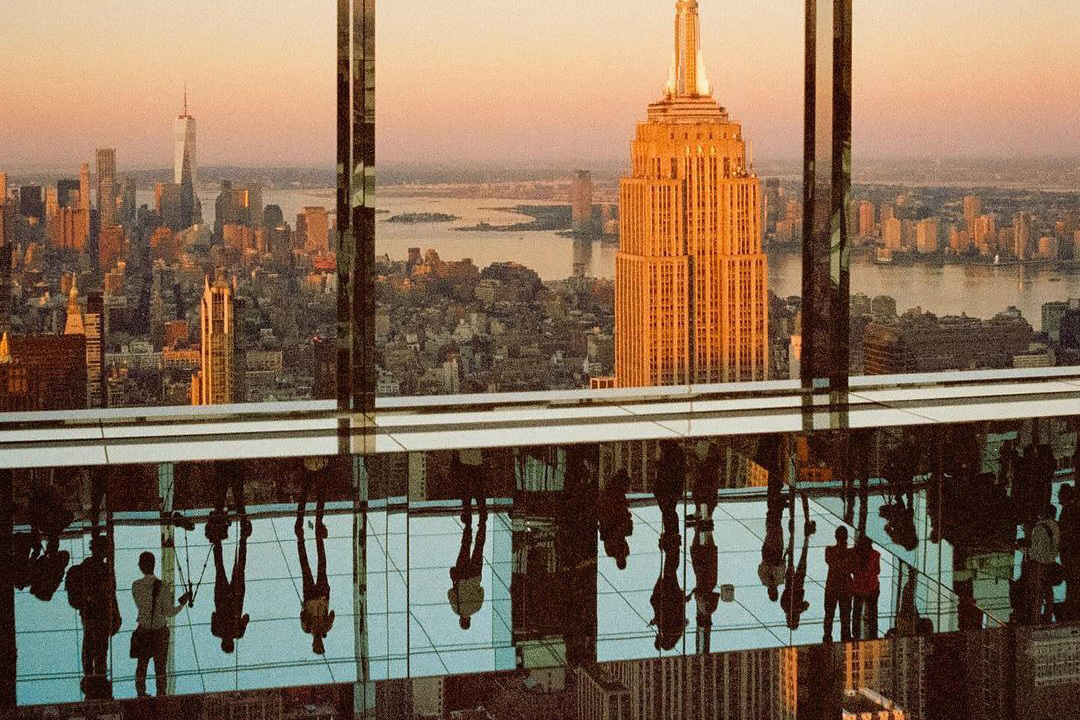
The answer is D — Exposure! (Don't hit me)
Light is the most important and essential condition for photography. No matter how advanced your lens is, whether you're using a Leica or a Hasselblad, or how amazing your concept is, without light, the image will just be a dark void.
Mastering light is the fundamental skill a photographer needs to possess.
Therefore, the first lesson for every new photographer is to learn about exposure.
There are three factors that affect image exposure: aperture, shutter speed, and ISO, which form the "exposure triangle" that new photographers often find daunting.
Understanding the exposure triangle is not as difficult as it seems; it only takes five minutes – let's start now!
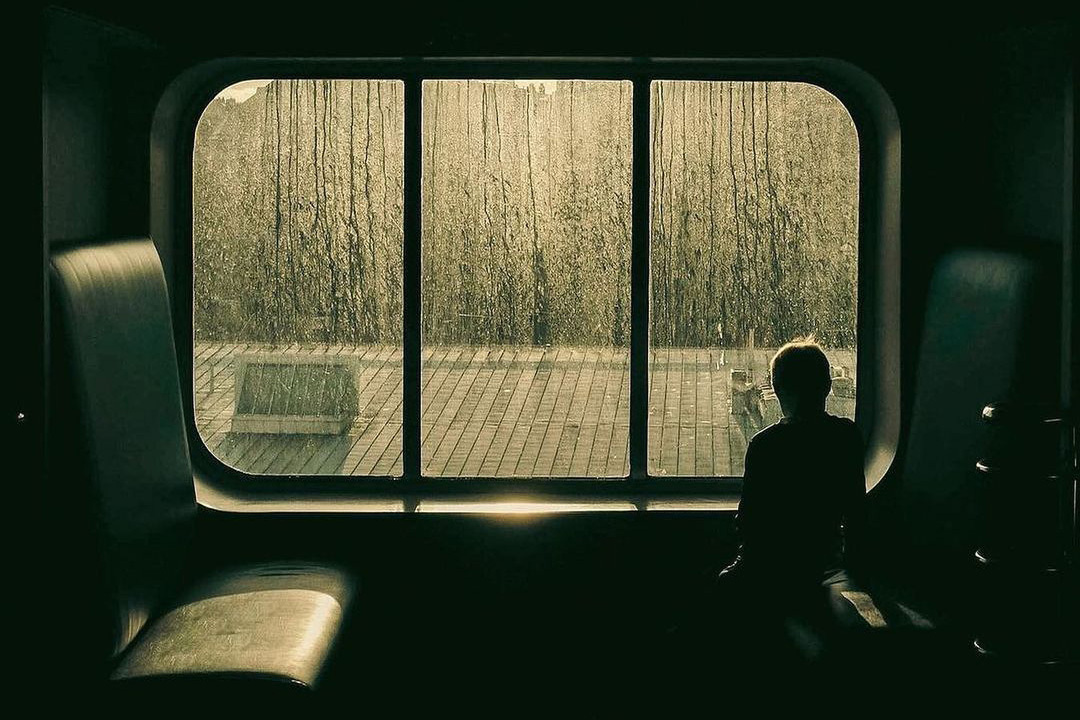
1. Aperture
Aperture size affects the amount of light entering and the depth of field.
Aperture and the amount of light are directly proportional. Imagine the aperture as a window on your lens:
Larger aperture = Larger window = More light entering, and vice versa.
The smaller the F-number of the aperture, the larger the aperture: for example, an aperture of F/1.4 is larger than F/5.6.
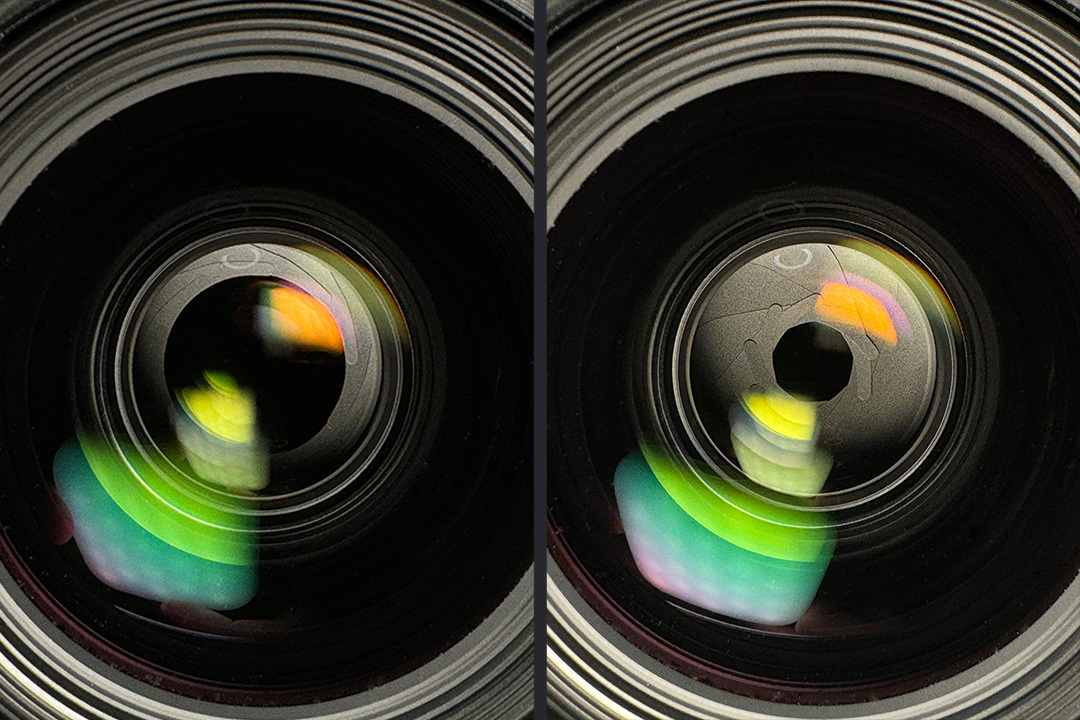
Depth of field is the range in front of and behind the focal point. A larger aperture results in a shallower depth of field, allowing you to take photos with a clear subject and blurred background;
Conversely, a smaller aperture results in a deeper depth of field, allowing you to take photos where everything in the image remains in focus, regardless of distance.
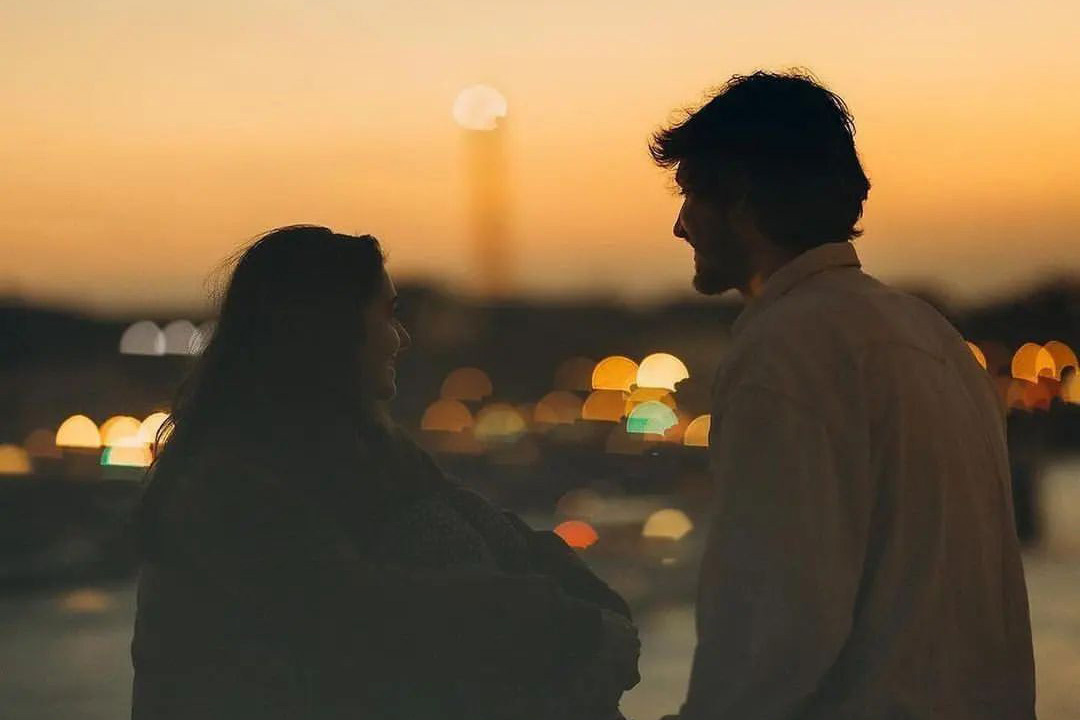
2. Shutter Speed
Shutter speed affects exposure time and motion blur.
Shutter speed and the amount of light are inversely proportional. If the aperture is a window, shutter speed is how long you keep that window open:
Slower shutter speed = Window open longer = More light entering, and vice versa.
Shutter speed is measured in seconds, for example, a 1/200 second shutter speed is faster than a 2 second shutter speed.
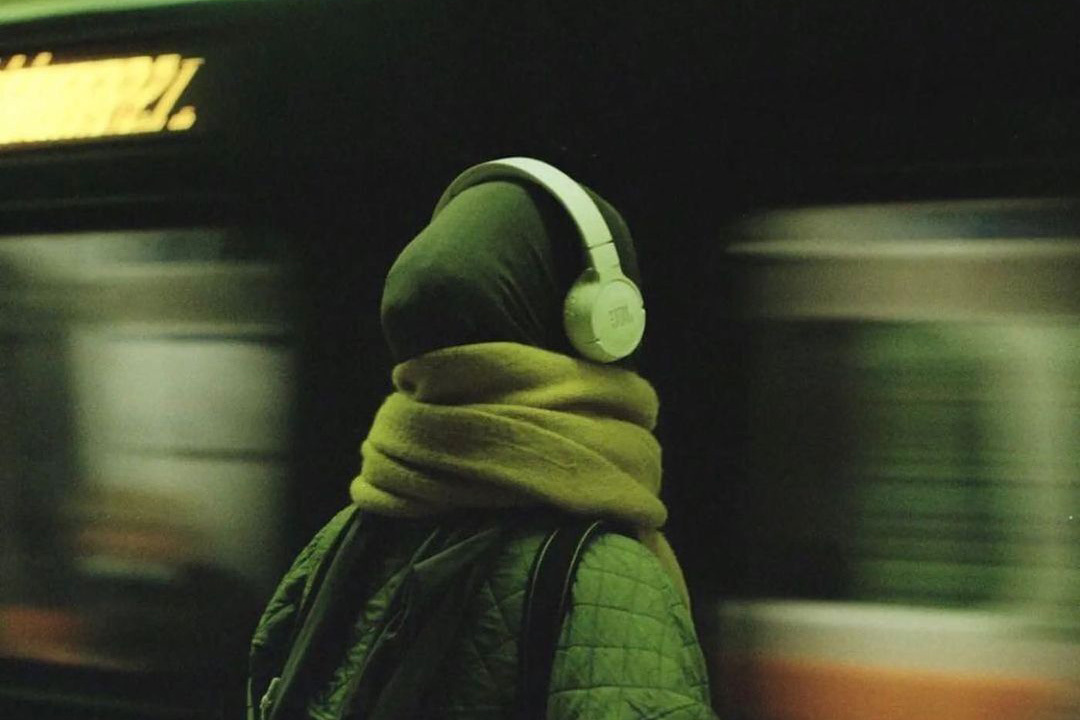
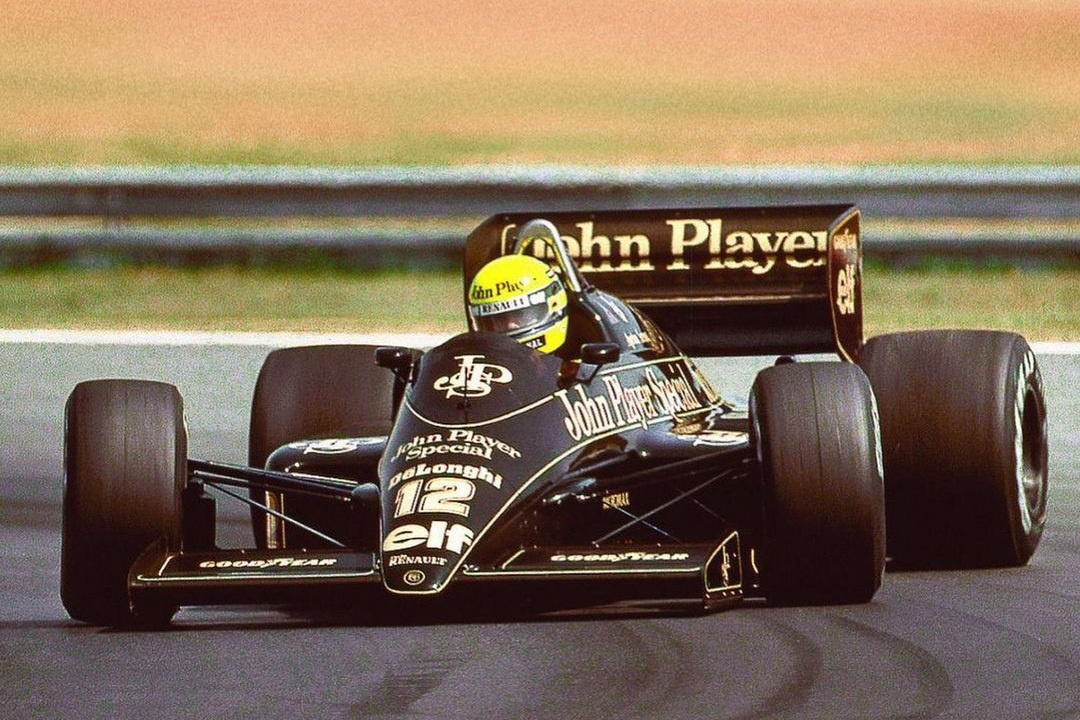
How does shutter speed affect motion blur? For example, if you're photographing a race car with a 1/2 second shutter speed. Because the subject is moving very fast, it might have already left your frame during that half-second exposure, resulting in only a blurred trail;
Conversely, if you use a high shutter speed of 1/4000 second, you can capture a clear image of the race car.
3. ISO (Sensitivity)
ISO affects exposure and image clarity.
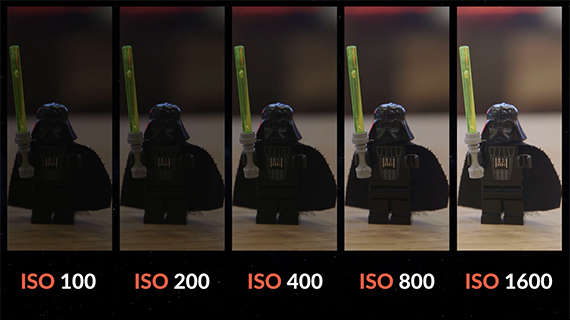
ISO is the sensitivity to light, and it has a direct relationship with exposure:
Higher ISO = More sensitive to light = Brighter image, and vice versa.
The ISO of traditional film is generally around 100 - 3200, while modern digital cameras can reach hundreds of thousands.
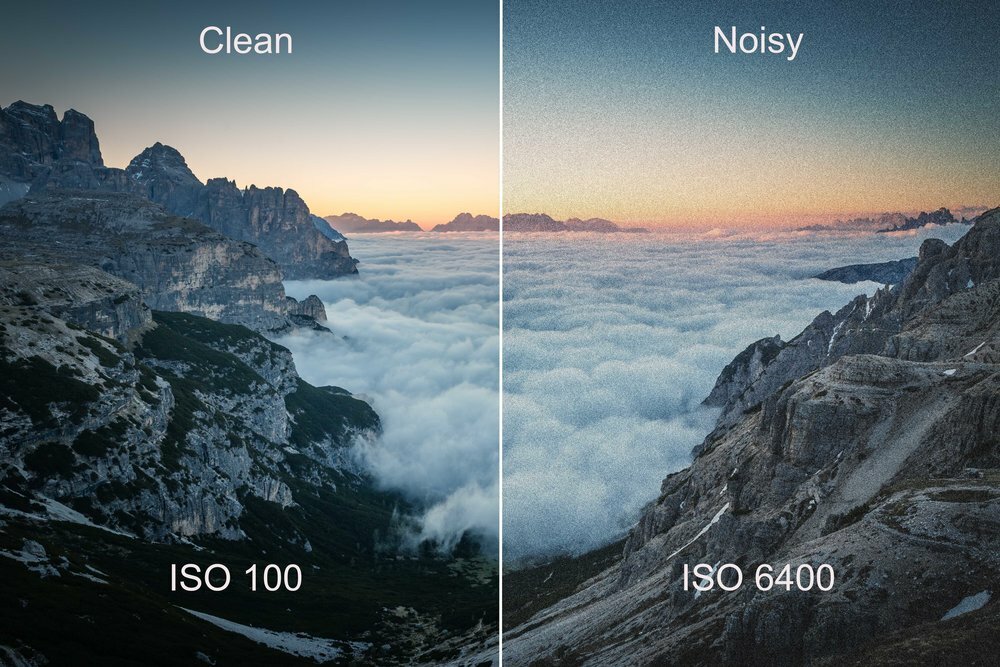
However, a higher ISO will result in more noise/grain, affecting image clarity. Therefore, generally speaking, we want to maintain as low an ISO as possible.
Finally, here's a summary:
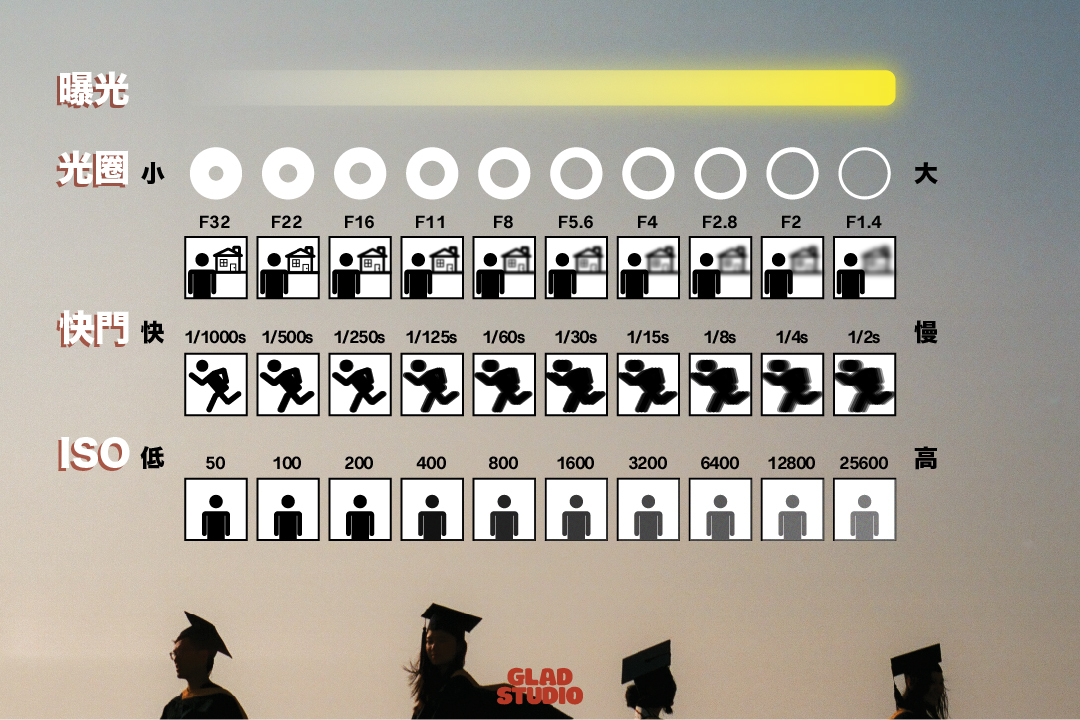
I believe everyone now has a basic understanding of the exposure triangle. Now, grab your camera and gain some practical experience! Before pressing the shutter each time, don't rush; take your time to think about how to adjust the exposure, and you'll soon get the hang of it!